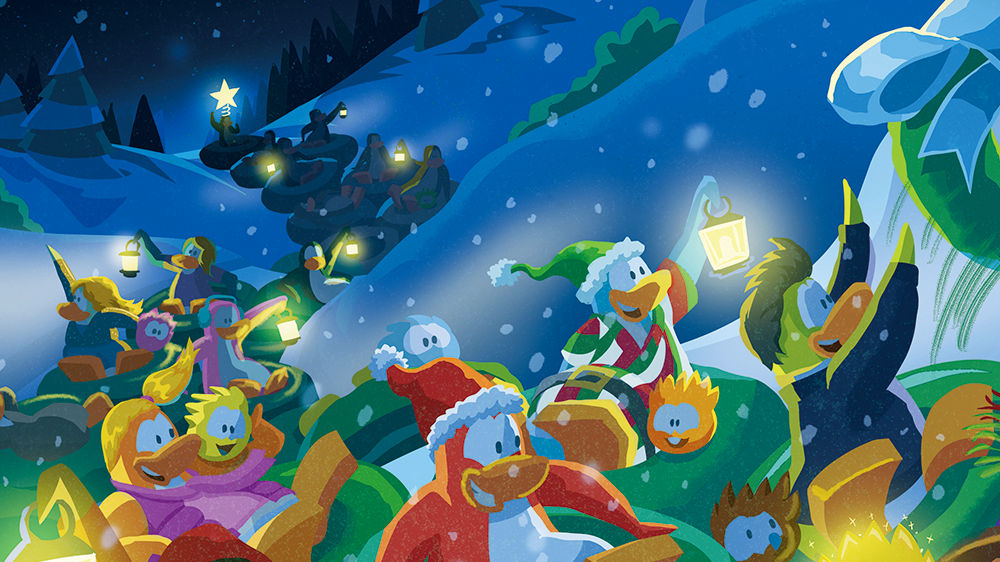
Club Penguin
The game that started everything.
The Spark
In the winter of 1999, I had an idea for a multiplayer strategy game with penguins. I didn’t know if Flash 4 could handle it. I didn’t know if the internet was ready. I just thought it would be fun to see penguins waddle around on screen together.
So I started small.
Experimental Penguins
In July 2000, I launched Experimental Penguins. My first multiplayer game. Just me and my brother, seeing what was possible.
It was simple. Players named a penguin. They chatted. They explored four rooms. That was it.
People loved it.
I was surprised. A tiny experiment with cartoon penguins, and strangers were showing up every day to hang out together. Something about it clicked. The warmth. The silliness. The feeling of being in a shared world with other people.
A year later, I had to shut it down. Server costs. I was paying out of pocket and couldn’t keep up.
But the idea stayed with me.
Penguin Chat
In January 2003, I launched Penguin Chat. A rebuilt, improved version of the original experiment. New tech. Better rooms. More things to do.
This wasn’t just a sequel. It was a test. I was quietly building the server and client for something much bigger. Real players on real servers gave me feedback I couldn’t get any other way.
Designing without an audience is dangerous. I needed to watch how people actually played.
Building Club Penguin
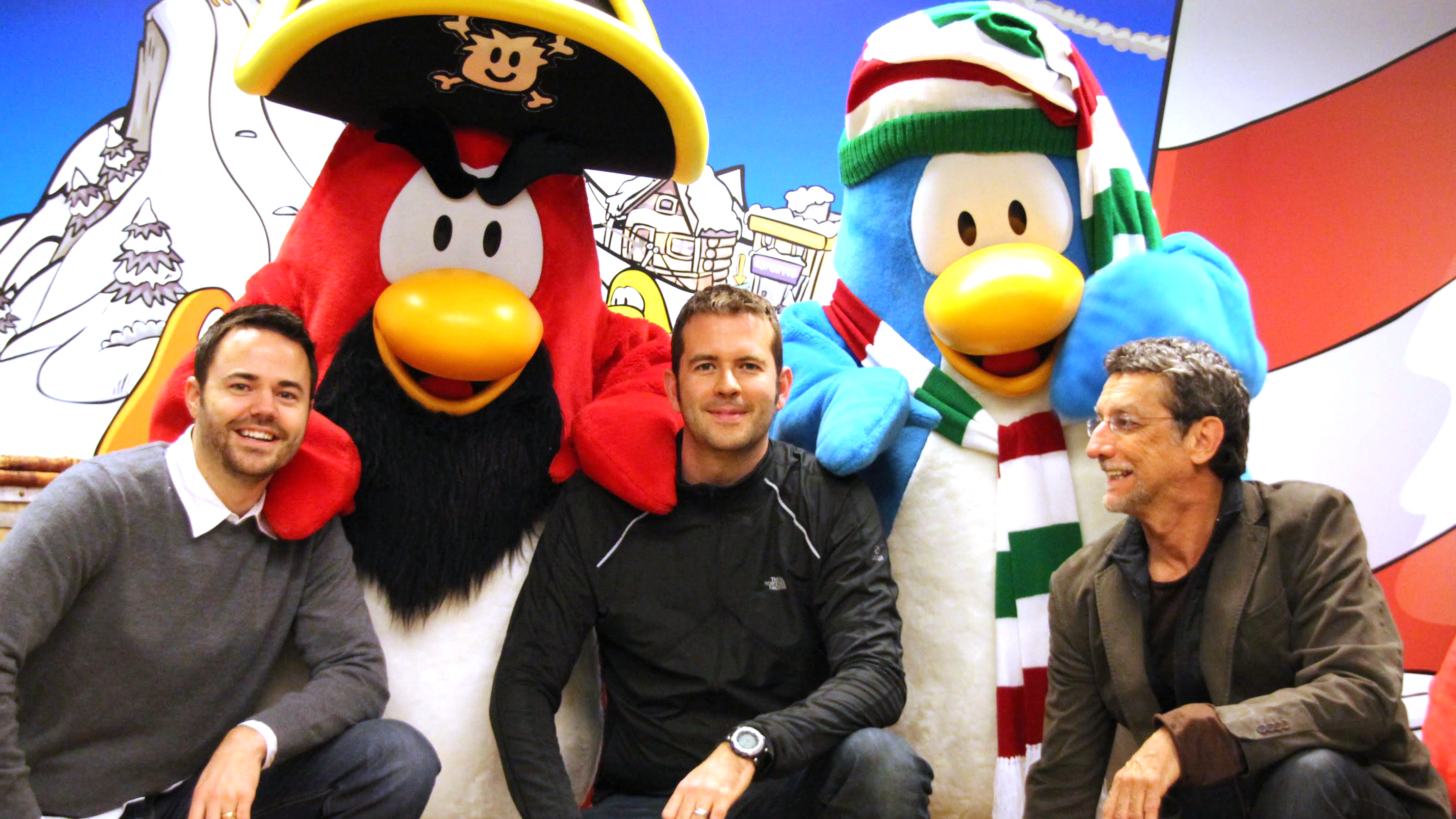
New Horizon Interactive was formed to create Club Penguin. I was free to work on it full-time.
My first hire was Chris Hendricks. I asked him to draw and animate the penguins, design clothing, construct furniture, compose music, and program mini-games. He did all of it. My brother built the database and support tools remotely from Belize.
A handful of people. That’s how it started.
Launch
Club Penguin went live on October 24, 2005.
A safe, imaginative virtual world for kids. Penguins waddled around. They threw snowballs. They played mini-games. They dressed up. They explored. They made friends.
There was no marketing budget. No launch strategy. Just a game we believed in, and an audience that found it.
Miniclip and the Growth of Web Games
This was the golden age of browser gaming. Flash was installed on nearly every computer in the world, and portal sites like Miniclip, Newgrounds, and Addicting Games were bringing millions of players to free web games every day. No downloads. No installs. Just click and play.
In March 2006, Club Penguin launched on Miniclip, at the time the world’s largest online game site. It quickly became their number one game.
The effect was massive. Miniclip had tens of millions of monthly visitors, and suddenly a huge wave of new players were discovering Club Penguin. By March 2006, we had reached over one million penguins. The servers couldn’t keep up. I completely rebuilt the game three times that year.
The team grew fast. More programmers. More artists. More moderators. By 2007, we had more than 100 employees and over 12 million active penguins. We had become the modern Saturday Morning Cartoon.
Disney
On August 1, 2007, Club Penguin joined the Walt Disney Company.
We needed an experienced partner. How do you expand into other countries and languages? How do you create toys and merchandise? How do you keep the game online at that scale?
Disney was the right answer. They understood what made the game special and let the original team keep building it. I was amazed to see penguins waddling around the theme parks and toys on the shelves.
I spent the next couple years training the team and finally launching Ninjas. It had always been a personal goal to create a game with Pirates, Spies, and Ninjas. Never thought they’d all be penguins.
I left Club Penguin in 2010. Ten years of penguins. Time for something new.
300 Million Players
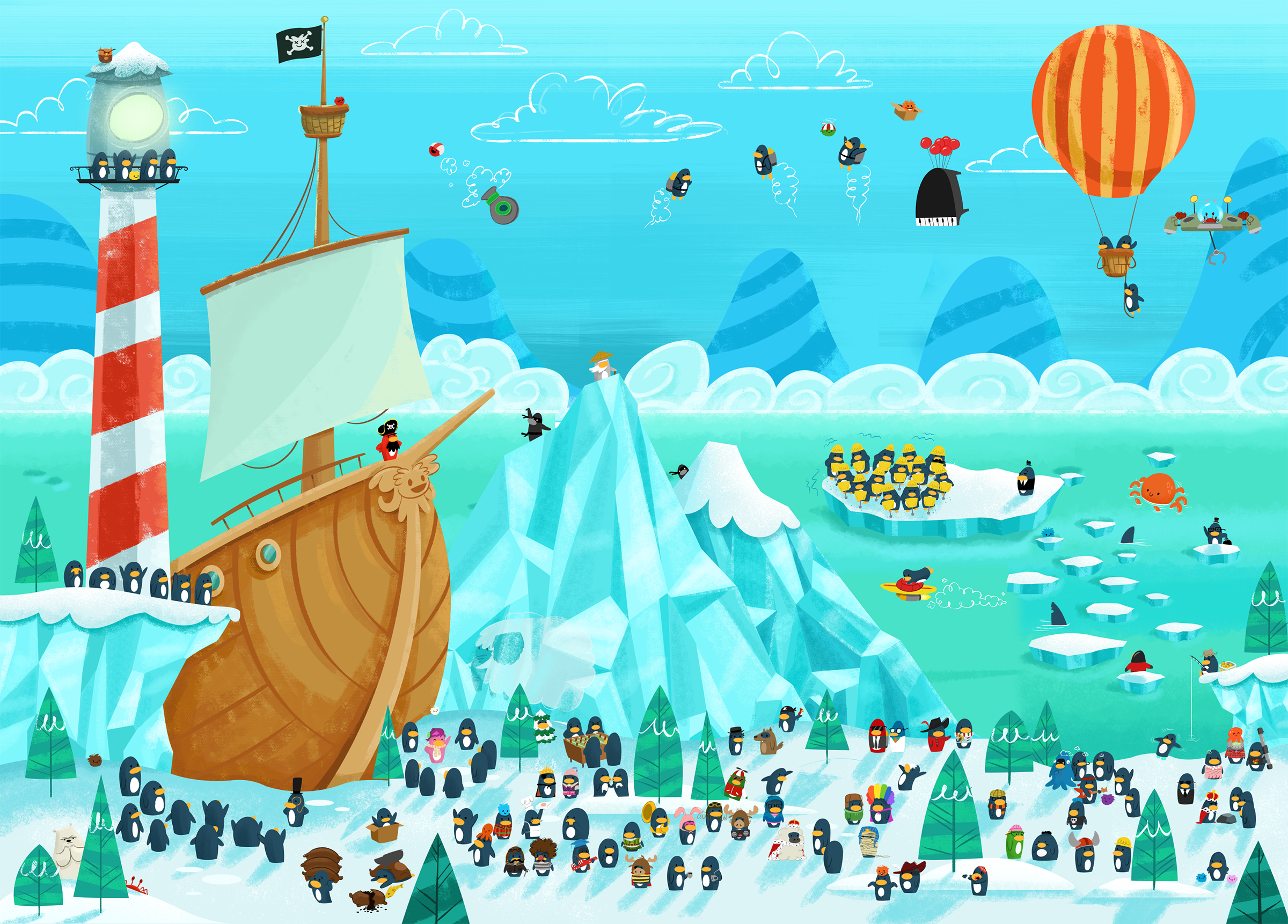
More than 300 million players joined Club Penguin over its lifetime. That still blows my mind.
I never in my wildest dreams would have imagined the impact of this little world on children’s imaginations. What started as a hobby became something that genuinely mattered to millions of kids. A place where strangers became friends and imagination ran wild.
I look back and think a lot about what made it work. I believe one of the biggest reasons was that it started as a hobby. I had five years to experiment, explore, and listen to the audience before we ever called it Club Penguin. There was no rush to make money. No investors. No deadlines. Just curiosity and a love for building things.
That changed how I think about everything.
What I Learned
Ideas take time. Listen to your audience. Give back generously. Partner well.
I always joke that Dave built a company, Lane built a business, and I built the product. All three were essential.
Club Penguin taught me that the best games start small. That constraints are a gift. That if you build something with genuine warmth and care, people will find it. And that when a project outgrows a small team, the answer isn’t to build a bigger team. The answer is to spin it off and let it become its own thing.
That lesson became the foundation for everything RocketSnail does today.
The Legacy
Club Penguin lives in people’s memories. I honor that. But I’m not trying to recreate it.
The past informs the work. It doesn’t trap it.
The same instincts that built Club Penguin are still here. Small team. Original idea. Find the fun. Delight the audience. Be early to the channel before anyone else sees it.
That’s what we did with browser games in 2000. It’s what we’re still doing now.